

HPMC is hydroxypropyl methylcellulose. This is a non-ionic cellulose mixed ether, which is made of alkalized refined cotton. It is prepared by a series of reactions using propylene oxide and methyl chloride as etherifying agent. The degree of substitution is usually 1.2 to 2.0. Its properties vary according to the ratio of methoxy content to hydroxypropyl content.
MC is methylcellulose. Cellulose ether is prepared after refined cotton alkali treatment with methane chloride as etherifying agent and a series of reactions. The general degree of substitution is 1.62.0. The solubility changes with the degree of substitution. It belongs to non-ionic cellulose ether.
Performance comparison between the two:
(1) Hydroxypropyl methylcellulose is easily soluble in cold water; Insoluble in hot water. However, its gelling temperature in hot water is significantly higher than that of methylcellulose, and its solubility in cold water is also greatly improved compared with methylcellulose.
Methylcellulose is also soluble in cold water; It is insoluble in hot water and its aqueous solution is very stable in the range of pH = 312.
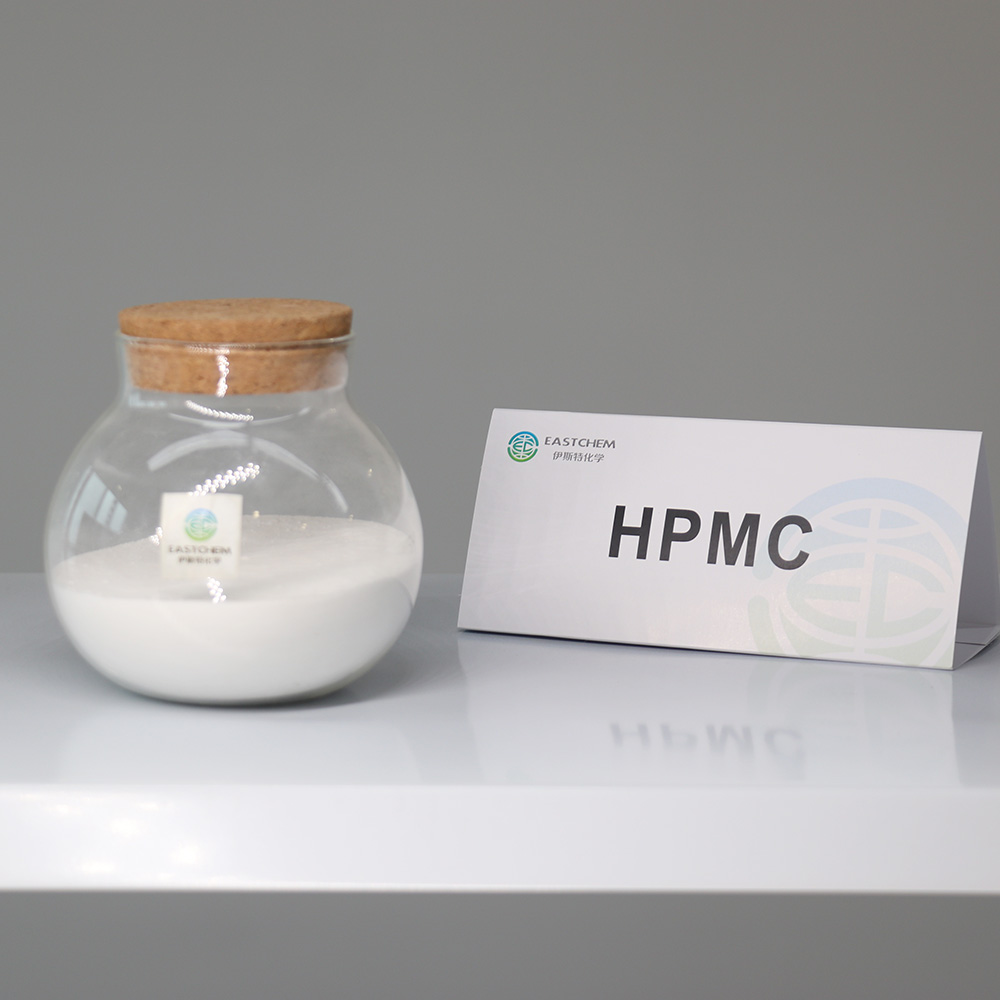
(2) The viscosity of hydroxypropyl methylcellulose is related to its molecular weight. The higher the molecular weight, the higher the viscosity. Temperature also affects its viscosity, as the temperature increases. The viscosity will decrease, but its high viscosity has a lower temperature effect than methylcellulose. The solution is stable when stored at room temperature.
Methylcellulose has an important impact on the workability and adhesion of mortar. The "adhesion" here refers to the adhesion felt between the worker's application tools and the wall substrate. That is, the shear resistance and adhesion of mortar are large, and the shear resistance of mortar is large. The force required by workers in the process of use is also large. The constructability of mortar is poor.
(3) The water retention rate of hydroxypropyl methylcellulose depends on its addition amount, viscosity and so on. At the same addition, the water retention rate was higher than that of methylcellulose.
The water retention of methylcellulose depends on its addition amount, viscosity, particle fineness and dissolution rate, and the dissolution rate mainly depends on the surface modification degree and particle fineness of cellulose particles.
(4) Hydroxypropyl methylcellulose has better enzyme resistance than methylcellulose, and the possibility of enzymatic degradation in solution is lower than methylcellulose.
The above content is about the distinction and performance comparison between hydroxypropyl methylcellulose and methylcellulose. I hope it will be helpful to you!